










Introduction
Creating handmade toys has become increasingly popular as parents and educators recognize the value of hands-on learning experiences. Learning how to make a toy car represents one of the most rewarding DIY projects you can undertake with children, combining creativity, engineering principles, and quality family time.
In today’s digital age, more families are searching for engaging offline activities that promote problem-solving skills and imaginative play. The rise of STEM education has also sparked interest in simple engineering projects that children can complete at home. Making toy cars addresses this need perfectly, offering an accessible introduction to basic mechanics, design thinking, and craftsmanship.
Whether you’re a parent looking for weekend activities, a teacher planning classroom projects, or someone who enjoys crafting, this comprehensive guide will walk you through everything needed to create amazing toy cars using common household materials and simple tools.
What is How to Make a Toy Car?
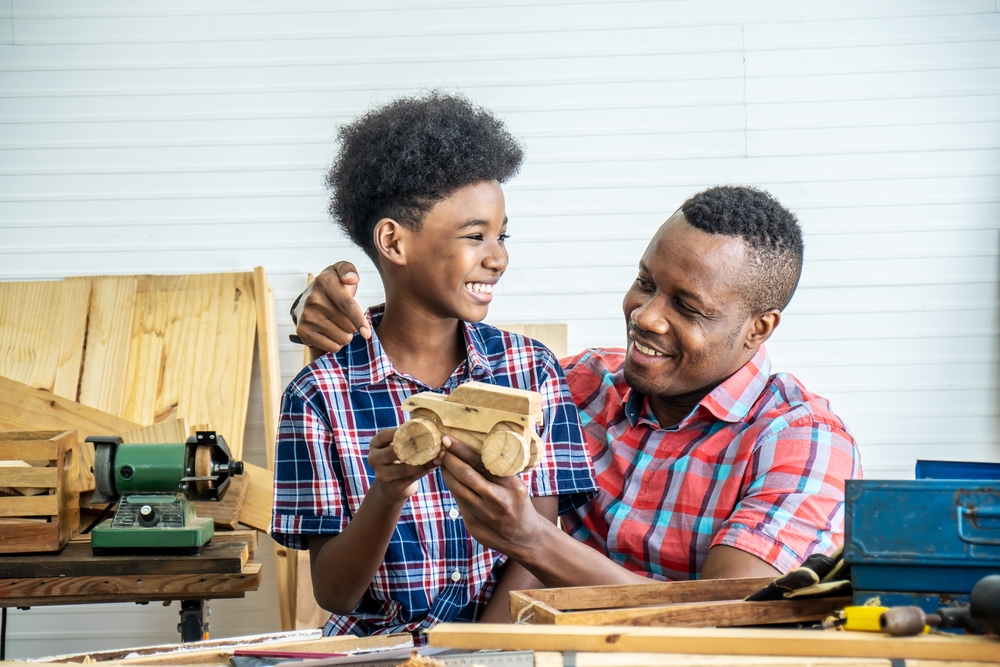
How to make a toy car refers to the process of creating miniature vehicles using various materials, techniques, and design approaches. This craft project involves assembling wheels, axles, bodies, and decorative elements to produce functional or display toy cars that children can play with or adults can appreciate as handmade creations.
The process typically incorporates basic engineering concepts like wheel alignment, weight distribution, and structural stability. Unlike store-bought toys, handmade toy cars allow complete customization of design, materials, and functionality, making each creation unique and personally meaningful.
In daily life, toy car making serves multiple educational purposes. For children, it develops fine motor skills, spatial reasoning, and understanding of cause-and-effect relationships. Parents use these projects to teach patience, following instructions, and creative problem-solving. Teachers incorporate toy car construction into science lessons about motion, friction, and simple machines, making abstract concepts tangible and engaging.
The activity also supports environmental consciousness by repurposing recyclable materials, teaching children about sustainability while creating something fun and functional.
Why How to Make a Toy Car Matters
Making toy cars has gained significant importance in today’s educational landscape and family dynamics. As screen time continues to dominate children’s attention, hands-on projects like toy car construction provide essential tactile learning experiences that digital activities cannot replicate.
From an educational standpoint, toy car making directly supports STEM learning initiatives that schools worldwide are emphasizing. When children build cars, they naturally experiment with physics concepts like momentum, gravity, and friction without realizing they’re conducting scientific experiments. This organic learning approach often proves more effective than traditional textbook-based instruction.
For families, these projects create opportunities for meaningful bonding while developing practical skills. Parents and children working together on toy car construction build communication, teamwork, and mutual respect. The shared accomplishment of completing a functional toy strengthens family relationships and creates lasting memories.
Society benefits when children develop maker mindsets early in life. Future innovators, engineers, and creative professionals often trace their interests back to childhood building experiences. By encouraging toy car construction, we’re potentially nurturing the next generation of problem-solvers and inventors who will address global challenges.
Additionally, the growing maker movement has elevated DIY projects from simple crafts to respected learning methodologies, with toy car construction serving as an perfect entry point for developing fabrication skills.
Benefits of How to Make a Toy Car
Creating toy cars offers numerous advantages that extend far beyond simple entertainment value:
- Educational Development: Building toy cars teaches fundamental engineering principles, mathematical concepts like measurement and geometry, and scientific understanding of motion and force. Children learn to plan, measure, cut, and assemble components while developing spatial reasoning skills that benefit academic performance.
- Enhanced Creativity and Problem-Solving: Each toy car project presents unique challenges that require creative solutions. When wheels don’t align properly or cars don’t roll straight, children must analyze problems and develop fixes, building critical thinking abilities that serve them throughout life.
- Cost-Effective Entertainment: Making toy cars costs significantly less than purchasing commercial toys, especially when using recycled materials. A single afternoon project can provide weeks of entertainment while teaching valuable lessons about resourcefulness and environmental responsibility.
- Family Bonding and Communication: Collaborative toy car construction creates natural opportunities for parent-child interaction, discussion, and shared achievement. These projects often become cherished family traditions that strengthen relationships and create positive childhood memories.
- Motor Skill Development: The physical aspects of cutting, gluing, painting, and assembling toy cars improve fine motor coordination, hand-eye coordination, and manual dexterity. These skills prove essential for writing, sports, musical instruments, and other activities requiring precise hand movements.
Latest Trends in How to Make a Toy Car
The toy car making community continues evolving with fresh approaches and innovative materials that make projects more accessible and exciting:
Eco-Friendly Materials Focus: Modern toy car construction increasingly emphasizes sustainable materials and recycling. Creators use cardboard tubes, plastic bottles, wooden blocks from sustainable sources, and biodegradable glues. This trend teaches environmental responsibility while producing functional toys, aligning with growing ecological awareness.
Technology Integration: While maintaining hands-on construction, many projects now incorporate simple electronic elements like LED lights, small motors, or basic sensors. These additions introduce children to basic electronics and programming concepts without overwhelming the core building experience.
Customization and Personalization: Current trends emphasize unique designs that reflect individual personality and interests. Children create cars themed around favorite colors, animals, superheroes, or fantasy concepts. This personalization increases engagement and pride in finished projects.
Social Media Documentation: Many families now document their toy car building processes through photos and videos, sharing techniques and inspiring others. This trend has created online communities where builders exchange ideas, troubleshoot problems, and celebrate successes together.
Tips for Using/Choosing How to Make a Toy Car
Successfully creating toy cars requires thoughtful planning and smart material choices. These practical tips will help ensure your projects succeed:
- Start with Simple Designs: Begin with basic four-wheeled cars using rectangular bodies and round wheels before attempting complex shapes or advanced features. Simple projects build confidence and teach fundamental techniques without overwhelming beginners.
- Choose Age-Appropriate Materials: Select materials and tools suitable for your child’s developmental stage. Younger children work well with large pieces, non-toxic glues, and pre-cut components, while older children can handle smaller parts and more sophisticated assembly techniques.
- Prioritize Safety Throughout: Always supervise tool use, choose non-toxic materials, and ensure finished cars have smooth edges and secure attachments. Sand rough surfaces, check for loose parts that could create choking hazards, and use appropriate safety gear during construction.
- Plan for Functionality: Consider how the finished car will be used before beginning construction. Cars meant for racing need different wheel attachments than display models. Rolling cars require proper axle alignment, while stationary models can prioritize appearance over mechanical function.
- Embrace Imperfection and Learning: Remember that handmade toys won’t look perfect, and that’s perfectly acceptable. Focus on the learning process, creativity development, and fun rather than achieving professional-quality results. Mistakes often lead to the most valuable learning experiences.
Advanced Techniques and Creative Variations
Once you’ve mastered basic toy car construction, several advanced approaches can challenge your skills and create more sophisticated projects.
Mechanical Features: Incorporate working elements like steering mechanisms, suspension systems, or moveable parts. These additions require more complex planning and assembly but teach advanced engineering concepts and provide greater play value.
Mixed Media Construction: Combine different materials like wood, plastic, metal, and fabric to create unique textures and visual interest. This approach develops material selection skills and understanding of how different substances work together.
Scale Model Accuracy: Create cars that accurately represent real vehicles, focusing on proportions, details, and authentic color schemes. This precision work develops attention to detail and research skills while connecting toy construction to real-world engineering.
Interactive Elements: Add features like opening doors, working lights, or sound effects using simple circuits and electronic components. These additions introduce basic electrical concepts while creating more engaging finished products.
Conclusion
Learning how to make a toy car offers families and educators an excellent opportunity to combine creativity, education, and quality time. This rewarding activity develops essential skills while creating lasting memories and functional toys that children treasure.
The benefits extend beyond simple entertainment, supporting STEM education, environmental consciousness, and family bonding. Current trends toward sustainable materials and technology integration make toy car construction more relevant than ever.
Start with simple projects, prioritize safety, and embrace the learning process over perfect results. For more inspiring DIY projects and educational activities, visit Ecofiy.com to discover additional creative ideas for sustainable family fun.