









Introduction
The search for natural remedies has reached new heights in recent years, with more people turning to traditional solutions for everyday health concerns. Among these time-tested remedies, learning how to make clove oil has become increasingly popular as individuals seek chemical-free alternatives for pain relief, dental care, and aromatherapy.
Clove oil’s remarkable antiseptic and analgesic properties have made it a household staple for centuries. From ancient Chinese medicine to modern natural health practices, this powerful essential oil continues to prove its worth in treating toothaches, reducing inflammation, and supporting overall wellness.
With rising healthcare costs and growing awareness of synthetic chemical side effects, many people are discovering that making clove oil at home offers both economic benefits and quality control. This comprehensive guide will walk you through everything you need to know about creating your own premium clove oil, ensuring you have access to this versatile natural remedy whenever you need it.
What is How to Make Clove Oil?
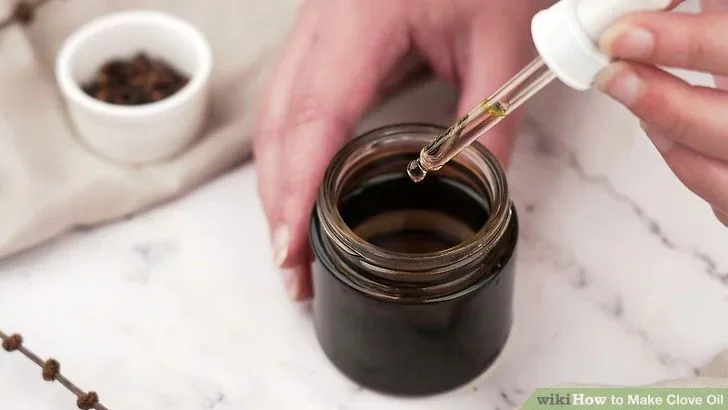
How to make clove oil refers to the process of extracting the concentrated essence from clove buds (Syzygium aromaticum) through various methods including steam distillation, carrier oil infusion, or solvent extraction. This process captures the active compounds, particularly eugenol, which gives clove oil its distinctive aroma and therapeutic properties.
In daily lifestyle, homemade clove oil serves multiple purposes across health, beauty, and household applications. Many people use it for immediate toothache relief, applying a small amount to affected areas for quick pain management. Others incorporate it into their skincare routines, taking advantage of its antibacterial properties to combat acne and skin infections.
The oil also plays a significant role in natural household cleaning, serving as an eco-friendly alternative to harsh chemical disinfectants. Its strong antimicrobial properties make it effective for sanitizing surfaces while leaving a pleasant, spicy fragrance. Additionally, clove oil acts as a natural insect repellent, helping keep ants, mosquitoes, and other pests away from living spaces without toxic chemicals.
Why How to Make Clove Oil Matters
Understanding how to make clove oil matters now more than ever as people seek sustainable, cost-effective alternatives to commercial products. The global essential oil market continues to grow, but quality varies significantly among manufactured products, and prices often reflect marketing costs rather than actual value.
Making your own clove oil ensures purity and potency while dramatically reducing costs. A single batch of homemade clove oil can cost less than half the price of commercial alternatives, yet provide superior quality since you control every aspect of the production process. This economic advantage becomes particularly important for families using clove oil regularly for health maintenance.
On a broader scale, the DIY essential oil movement contributes to reduced packaging waste and transportation emissions associated with commercial production. When individuals make their own clove oil, they eliminate multiple layers of packaging, shipping, and retail markup that characterize the conventional essential oil industry.
The skill also promotes self-reliance and traditional knowledge preservation. As more people learn these time-honored techniques, they maintain cultural wisdom that might otherwise disappear in our increasingly industrialized world. This knowledge transfer strengthens communities and provides valuable skills during times when commercial products might be unavailable or unaffordable.
Benefits of How to Make Clove Oil
Learning to create your own clove oil offers numerous advantages that extend far beyond simple cost savings:
- Superior Quality Control: When you make clove oil yourself, you select the highest quality cloves and control every step of the extraction process, ensuring maximum potency and purity without artificial additives or diluting agents commonly found in commercial products.
- Significant Cost Savings: Homemade clove oil costs approximately 60-70% less than store-bought alternatives. A small investment in quality cloves can produce multiple bottles of oil, making it especially economical for regular users who rely on clove oil for ongoing health needs.
- Customizable Potency: Different applications require different concentrations. Making your own oil allows you to adjust strength based on intended use – stronger concentrations for dental pain, milder versions for skincare, or specific dilutions for household cleaning applications.
- Fresh Potency Guarantee: Commercial essential oils may sit on shelves for months or years, gradually losing effectiveness. Freshly made clove oil retains maximum therapeutic value, ensuring you get the strongest possible benefits from each application.
- Environmental Sustainability: DIY production eliminates excessive packaging, reduces transportation emissions, and allows you to source cloves from ethical suppliers, supporting sustainable farming practices while minimizing your environmental footprint.
These benefits make learning how to make clove oil a valuable investment in both personal wellness and environmental responsibility.
Latest Trends in How to Make Clove Oil
The DIY essential oil movement has evolved significantly, with several exciting trends shaping how to make clove oil in modern households:
Cold Infusion Methods have gained popularity among health-conscious consumers who want to preserve every possible nutrient. This technique involves slowly infusing cloves in carrier oils over several weeks, avoiding heat that might damage delicate compounds. Many practitioners report that cold-infused oils provide gentler, longer-lasting effects ideal for sensitive skin applications.
Solar Extraction Techniques represent an eco-friendly approach that harnesses natural energy for oil production. Practitioners place cloves and carrier oil in clear glass containers, allowing solar heat to facilitate extraction over several days. This method produces excellent results while eliminating energy costs and reducing environmental impact.
Combination Extraction Methods are trending among experienced DIY enthusiasts who want maximum efficiency and potency. These approaches combine initial steam distillation with secondary carrier oil infusion, creating products that offer both concentrated essential oil and gentler infused oil options from the same batch of cloves.
Small-Batch Artisan Production has become increasingly popular as people recognize that fresher oils provide better results. Rather than making large quantities that might lose potency over time, many practitioners now create smaller batches more frequently, ensuring optimal freshness and effectiveness for every application.
Tips for Using and Choosing How to Make Clove Oil
Success in making high-quality clove oil depends on attention to detail and following proven best practices:
- Select Premium Whole Cloves: Choose organic, whole clove buds with rich brown color and strong aroma. Avoid pre-ground cloves or those with pale coloring, as these indicate age or poor quality that will significantly impact your final oil’s potency and therapeutic value.
- Use Proper Carrier Oil Ratios: For infusion methods, maintain a 1:4 ratio of cloves to carrier oil (1 cup cloves to 4 cups oil). This proportion ensures adequate extraction without creating overly diluted final products. Olive oil, jojoba oil, or fractionated coconut oil work best as carriers.
- Control Temperature Carefully: Whether using heat-based or solar methods, maintain temperatures between 100-120°F to preserve beneficial compounds. Higher temperatures can destroy eugenol and other therapeutic components, while lower temperatures may not facilitate proper extraction.
- Strain Thoroughly and Store Properly: Always strain finished oil through fine mesh or cheesecloth to remove all plant material, which can cause rancidity. Store in dark glass bottles away from light and heat, properly labeled with production dates for quality tracking.
- Test Potency Before Use: Always test your homemade clove oil on a small skin area before full application. Start with highly diluted concentrations and gradually increase strength as needed, since homemade oils can be significantly more potent than commercial alternatives.
Advanced Techniques and Safety Considerations
As you develop expertise in how to make clove oil, consider exploring advanced techniques that can enhance quality and efficiency. Steam distillation, while more complex, produces the purest essential oil with maximum therapeutic value. This method requires specialized equipment but yields professional-quality results.
Safety remains paramount when working with clove oil, whether homemade or commercial. Pure clove oil is extremely potent and can cause skin irritation or burns if used undiluted. Always perform patch tests, especially with homemade oils that may be stronger than expected.
Proper storage extends your oil’s life and maintains potency. Dark glass bottles protect against light degradation, while cool temperatures preserve therapeutic compounds. Label all containers clearly with production dates and concentration levels to ensure safe, effective use.
Consider keeping detailed production notes, documenting which methods, ratios, and storage techniques produce the best results for your specific needs. This information becomes invaluable as you refine your technique and develop preferences for different applications.
Conclusion
Mastering how to make clove oil empowers you with a valuable skill that delivers superior quality, significant cost savings, and complete control over your natural health products. This time-tested remedy continues proving its worth in modern wellness routines, offering effective solutions for dental pain, skincare, and household needs.
The techniques outlined in this guide provide foundation knowledge for creating premium clove oil that rivals or exceeds commercial alternatives. As natural health awareness grows, this skill becomes increasingly valuable for maintaining family wellness while supporting sustainable practices.
Stay updated with the latest developments in DIY essential oil production and discover more natural wellness solutions by visiting Ecofiy.com for expert guides and sustainable living tips.