







Introduction: From Diamond Dreams to Netherite Reality
Imagine this: you’re in the Nether, at the edge of a lava lake, wearing your valuable diamond armor. Suddenly, a fireball from a ghast sends you flying into the lava. You feel terrible as you watch months of work go down the drain. Does this sound like something you’ve heard before? Every Minecraft player has had the terrible experience of losing their best gear.
This is why any serious player needs to understand how to construct netherite armor. Not only does Netherite armor protect you better, but it is also totally immune to lava and fire damage. This means that those nightmare situations turn into tolerable mishaps instead of game-ending calamities.
This complete guide will show you how to make the best armor set in Minecraft. You’ll learn how to craft netherite by finding ancient detritus in the perilous depths of the Nether and successfully upgrading your diamond gear. You’ll also learn how to mine efficiently, how to be ready, and typical blunders that can lose you vital resources.
Are you ready to become an unstoppable force? Let’s get into the world of producing netherite and give you the best protection you can get.
What Is Netherite Armor? Understanding Minecraft’s Ultimate Protection
Netherite armor is the best protective gear in Minecraft. It is stronger and better at protecting you than diamond gear. This legendary armor set has the best protection stats in the game and gives serious explorers special perks that make it worth its weight in gold.
The fact that netherite armor is completely immune to lava and fire damage is what makes it the most game-changing. Netherite gear lets you swim through lava pools and survive surprise attacks from blazes, ghasts, and other fire-based monsters. Other forms of armor don’t protect you from these lethal threats.
When it comes to durability, netherite armor lasts a lot longer than diamond armor. Each piece has more durability points, which means you’ll have to fix them less often and have more time to explore. The armor also makes you less likely to be knocked back, which helps you stay stable in tough fights.
In addition to being useful, netherite armor is also a status symbol in the Minecraft game community. Wearing a full netherite set symbolizes your dedication, skill, and mastery of the game’s most hard material. This is the highest accolade you can get for defeating the Nether’s most dangerous depths.
In Minecraft, Netherite armor is the best status symbol because it offers the most protection, is immune to lava, and lasts the longest.
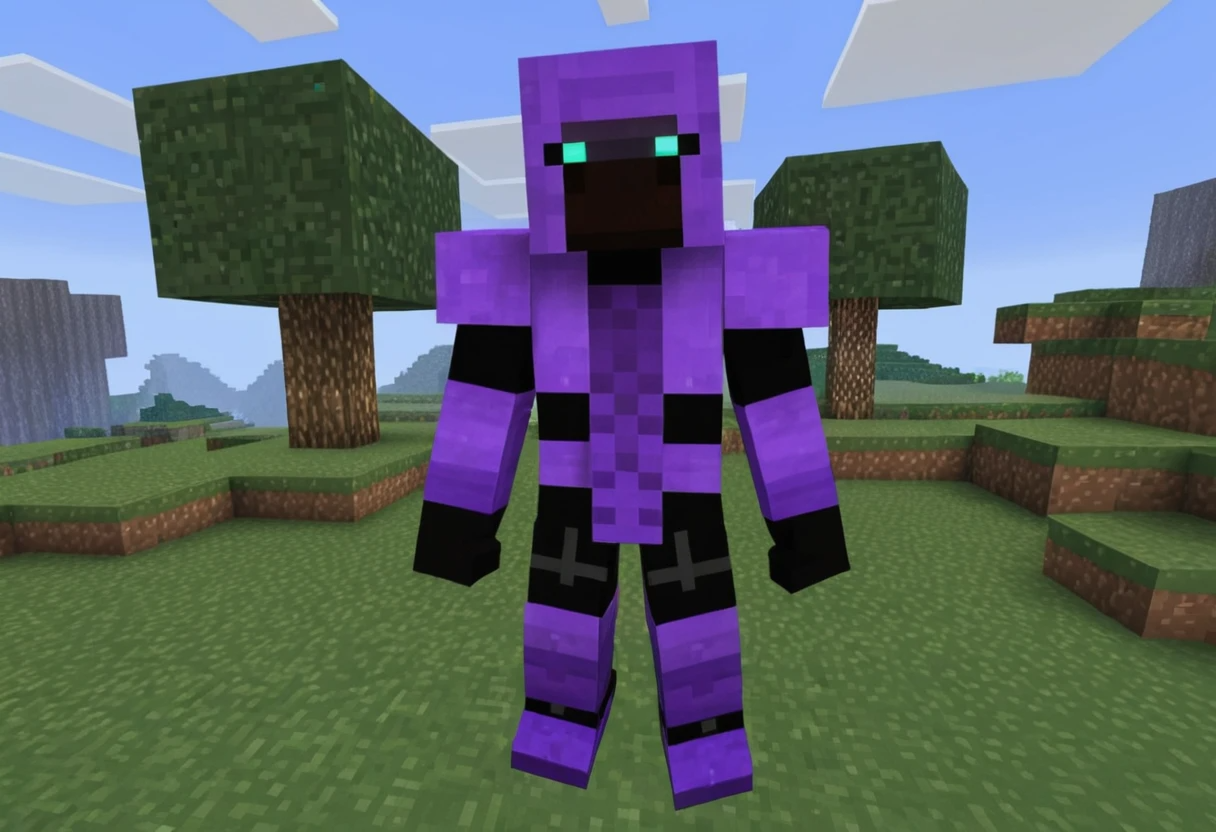
Essential Materials: What You Need for Netherite Armor Crafting
You will need to collect a few important items before you can start your trip to get netherite armor. A full set of diamond armor is the most critical thing you need, since you can’t make netherite pieces from start; you have to upgrade existing diamond gear.
Required Materials:
- Diamond armor set (helmet, chestplate, leggings, boots)
- 4 Netherite Ingots (one per armor piece)
- Smithing Table (for the upgrade process)
- Ancient Debris (4 pieces per netherite ingot)
- Gold Ingots (4 per netherite ingot)
You need 24 diamonds to make a full set of diamond armor before you can even start the netherite procedure. This is a big investment, so make sure your diamond gear is fully enchanted and fixed before you upgrade.
Ancient detritus is the main thing that makes up netherite ingots. You will need a total of 16 pieces of ancient debris: 4 for each netherite ingot and 4 for a full suit of armor. This uncommon element only appears in the Nether between Y-levels 8 and 22, which makes it one of the hardest things to get.
In the process of smelting netherite, gold ingots help out. You will need a total of 16 gold ingots, which is not too hard to get by mining or trading with piglins in the Nether.
How to Find Ancient Debris: Nether Mining Strategies
The most difficult part of making netherite armor is getting ancient trash, which takes special mining skills and a lot of time. This uncommon ore only appears in the Nether between Y-levels 8 and 22, with the most of it around Y-level 15.
Strip Mining Method: At Y-level 15, make horizontal tunnels that are 2 to 3 blocks apart. This methodical way of doing things covers the most ground while wasting the least amount of resources. Use diamond or netherite pickaxes that are enchanted to be more efficient to speed things up, and always have fire resistance potions on hand for protection.
Bed Explosion Technique: Put beds in the Nether and blow them up to make big holes that show old junk. This approach is faster than regular mining, but you have to be careful where you stand so you don’t die in an explosion. Before setting off the explosion, always put blocks between you and the bed.
TNT Mining Approach: TNT can clear big regions quickly, just like bed mining. But this procedure needs a lot of gunpowder and careful planning so you don’t harm the old detritus you’re hoping to uncover.
Fire-resistant potions, golden apples, and backup gear are all important safety items. Because the Nether is so dangerous, it’s important to plan ahead. A single error might cost you time and money. Always mine when you’re full and healthy, and think about bringing a friend for extra protection.
Pro Tip: Ancient debris is immune to explosions, making bed and TNT mining safe methods that won’t destroy your target material.
Crafting Netherite Ingots: The Smelting Process
You need to follow a certain order of steps to smelt and fabricate ancient trash into workable netherite ingots. This procedure takes old garbage and gold ingots and mixes them together to make netherite scraps. These scraps subsequently come together to make the valuable netherite ingots.
Step 1: Smelt Ancient Debris
Use fuel to burn ancient material in a furnace or blast furnace to make netherite scraps. One netherite scrap comes from each piece of old detritus. When you can, use a blast furnace. It melts metal twice as fast as a standard furnace, which saves you time during this long procedure.
Step 2: Craft Netherite Ingots
Put 4 netherite scraps and 4 gold ingots on a crafting table to make 1 netherite ingot. You need to put the 4 netherite scraps in the corners and the 4 gold ingots in the other slots of the crafting grid.
Step 3: Repeat the Process
You’ll need to repeat this entire sequence 4 times to create the 4 netherite ingots required for a complete armor set. This means smelting 16 pieces of ancient debris and using 16 gold ingots total.
The smelting process takes considerable time, especially when using regular furnaces. Plan accordingly and consider setting up multiple furnaces to speed up production. Automated smelting systems using hoppers can also streamline this process for players with advanced redstone knowledge.
TL;DR: Smelt 4 ancient debris into scraps, combine with 4 gold ingots to make 1 netherite ingot, repeat 4 times for full armor set.
Step-by-Step Guide: How to Make Netherite Armor Pieces
Creating netherite armor involves upgrading existing diamond pieces rather than traditional crafting, using a smithing table for the transformation process. This unique mechanic preserves all enchantments on your diamond gear while upgrading the base material to netherite.
Step 1: Prepare Your Workspace
Set up a smithing table in your base or secure location. You’ll also want to have all your materials readily available: diamond armor pieces, netherite ingots, and any backup equipment in case of accidents.
Step 2: Upgrade Each Armor Piece
Place your diamond armor piece in the first slot of the smithing table, then add a netherite ingot in the second slot. The result appears in the third slot – a fully upgraded netherite armor piece with all previous enchantments intact.
Step 3: Repeat for All Pieces
- Netherite Helmet: Diamond helmet + 1 netherite ingot
- Netherite Chestplate: Diamond chestplate + 1 netherite ingot
- Netherite Leggings: Diamond leggings + 1 netherite ingot
- Netherite Boots: Diamond boots + 1 netherite ingot

Step 4: Test Your New Gear
Put on all of your netherite armor and see how well it works in a safe place. To make sure the fire immunity works, try standing in lava for a short while. This feature could save your life in a critical circumstance.
You can’t go back after the upgrade, so make sure you have the right items before you confirm each one. Think about improving one part at a time to make sure everything works as it should before putting all of your money into it.
Netherite Armor Enchantments: Maximizing Your Protection
Enchanting your netherite armor the right way turns good gear into legendary gear that can handle whatever Minecraft throws at you. The best thing about upgrading the smithing table is that all of your old enchantments will work on your new netherite components without any problems.
Essential Armor Enchantments:
- Protection IV: Reduces damage from most sources by up to 16%
- Unbreaking III: Significantly extends armor durability
- Mending: Repairs armor using experience orbs you collect
- Thorns III: Reflects damage back to attackers
Specialized Enchantments by Piece:
- Helmet: Respiration III and Aqua Affinity for underwater exploration
- Boots: Feather Falling IV for fall damage protection, Depth Strider III for water movement
- Chestplate: Focus on Protection IV and Unbreaking III for maximum defense
Make a plan for your enchantments before you get netherite. If your diamond armor doesn’t have the best enchantments, you might want to re-enchant it before you improve it. Use an enchanting table with bookshelves, an anvil to combine things, or trading with villagers to get the best combinations of enchantments.
Because netherite armor is so rare, mending it becomes even more important. This enchantment makes your armor stay forever, so you don’t have to construct new pieces. For the best durability setup, use mending and unbreaking together.
Pro Tip: Use experience farms or fishing to gather enchanted books for anvil combining, allowing precise control over your final enchantment setup.
Common Mistakes When Making Netherite Armor
Even experienced players make costly errors during the netherite crafting process. Learning from these common mistakes can save you valuable time, resources, and frustration during your armor creation journey.
Mistake #1: Insufficient Preparation
A lot of players go into Nether mining without the right tools and supplies. Always pack extra tools, food, building blocks, and fire resistance potions. Players who aren’t ready for the Nether’s hazardous environment lose progress and materials.
Mistake #2: Mining at Wrong Y-Levels
Ancient debris spawns between Y-levels 8 and 22, with the best concentrations around Y-15. If you mine too high or too low, your chances of finding this rare resource go way down. While mining, use the F3 debug screen to keep an eye on your exact Y-coordinate.
Mistake #3: Forgetting Gold Requirements
Players often forget about the gold ingot requirement since they are so focused on the ancient detritus. Before you start smelting, make sure you have enough gold. It’s really annoying to run out of gold when you have netherite scraps ready.
Mistake #4: Upgrading Poorly Enchanted Gear
Upgrading diamond armor with bad enchantments wastes your netherite ingots because the process can’t be undone. Before upgrading, take the time to do the right enchanting so you don’t regret it later.
Mistake #5: Unsafe Mining Practices
Without the right safety measures, bed and TNT mining can be quite deadly. Never mine without fire resistance potions activated, and always put protection blocks between you and explosions.
These blunders are sometimes caused by being impatient or not planning well enough. If you take the time to have everything ready, making your netherite armor will go lot more smoothly.
Netherite vs Diamond: Comparing Armor Performance
Knowing what netherite armor does better than diamond armor helps explain why upgrading costs so much. Both are great at protecting you, but netherite is better in a few important ways because of its unique qualities.
Durability Comparison:
Netherite armor is much more durable than diamond armor. A netherite chestplate lasts 12% longer than a diamond chestplate, with 592 durability points compared to 528. This means that repairs will take longer and there will be less maintenance overall.
Protection Values:
Across all parts, netherite offers a little bit more defense. The difference may appear little (1-2 points each piece), but over time, it adds up to a substantial reduction in damage during long fights.
Unique Properties:
The best thing about netherite is that it can’t be damaged by lava or fire. This one thing makes netherite very important for exploring the Nether, fighting the End, and any other situation where fire-based attacks are used. Diamond armor doesn’t protect you in that way.
Knockback Resistance:
Netherite armor naturally resists knockback, which keeps you stable in battle. This function is very useful when battling on tight ledges, near lava, or in other dangerous places where being knocked back could kill you.
Resource Investment:
You need 24 diamonds to make diamond armor, but you also need 16 ancient detritus and 16 gold ingots to make netherite armor. The extra money is a lot, but it’s worth it for dedicated gamers.
TL;DR: Netherite offers superior durability, lava immunity, knockback resistance, and slightly better protection, justifying the resource investment.
Advanced Tips for Efficient Netherite Farming
To get the most out of your ancient debris collection, you need to plan ahead and use the best methods that experienced players have learned via trial and error. These sophisticated techniques might save you a lot of time on your netherite armor project.
Coordinate Your Mining Expeditions
Instead of going on short excursions to Nether often, plan longer ones. Bring a lot of shulker boxes full of supplies, set up temporary bases near your mining sites, and manage your inventory so that you can get the most done in the least amount of time. You should find a lot of ancient rubbish on each excursion to make the effort spent getting ready worth it.
Use Efficiency and Fortune Enchantments
Fortune doesn’t directly effect old trash, but Efficiency V on your pickaxe makes mining a lot faster. To avoid having to fix your pickaxes in the middle of mining, think about packing more than one. When you combine mending pickaxes with experience farms, you can mine almost anything.
Establish Nether Infrastructure
Make sure that your typical mining regions include permanent paths, bridges, and safe homes. This investment in infrastructure pays off over time by making travel faster and giving people safe places to go in case of an emergency. Ice roads in the Overworld can quickly take you to numerous Nether portal sites.
Optimize Your Inventory Management
Set aside particular spaces for important things like pickaxes, food, potions, blocks, and old rubbish. Keeping things organized all the time stops you from wasting time looking through your inventory and lowers the danger of throwing away essential things by mistake.
Consider Group Mining Expeditions
Mining with friends may make things go much faster by sharing resources, making sure everyone is safe, and covering more ground faster. Work together to avoid mining in the same regions, but keep in touch in case of an emergency.
These innovative methods keep casual players and serious netherite farmers apart, which cuts down on the time needed to get many armor sets by a lot.
Maintaining Your Netherite Armor: Repair and Care
After spending a lot of time and money on making netherite armor, you need to take care of it to keep it safe. Knowing how to fix things and take care of your gear will help it survive as long as possible between big maintenance sessions.
Mending Enchantment Strategy
Mending is the best spell for making netherite armor last longer. This spell uses experience orbs to fix your gear on its own, giving it basically limitless durability if you know how to use it. For armor that needs almost no upkeep, combine mending with experience farms.
Anvil Repair Techniques
When repairing isn’t an option, you can use netherite ingots or armor pieces that are the same to fix things. But every time you use an anvil, the cost of experience goes up a lot, which makes this method expensive for repairs that need to be done often. Use anvil repairs only in emergencies or when you’re done optimizing.
Unbreaking Enchantment Benefits
Unbreaking III greatly increases the time between repairs by providing each durability point a chance to avoid damage. Unbreaking and mending together make armor that lasts a long time and doesn’t need a lot of active maintenance.
Damage Prevention Strategies
Use shields correctly, have enough food on hand, and stay out of dangerous situations whenever you can to avoid damage. Your netherite armor should protect you in an emergency, not replace careful gameplay.
Backup Equipment Planning
Always have extra sets of armor for perilous activities. If you use netherite armor for everyday mining or constructing, it will wear out faster than it needs to. Use your greatest gear only for really hard content, such End raids or rigorous exploration.
Taking care of your netherite armor properly will help it last longer and provide you the most value for your money.
Alternative Methods: Trading and Finding Netherite
Crafting is still the best way to get netherite armor, but other methods can help you or give you backup alternatives when mining is hard or takes a long time.
Treasure Hunting Opportunities
Netherite scraps or even ingots can very infrequently be found in bastion remnant chests, ancient city loot, or other high-level treasure places. These discoveries can help you meet some of your mining needs when luck is on your side, but they aren’t a good main approach.
Villager Trading Limitations
Sadly, villagers can’t exchange netherite ingots or ancient trash, thus the only other way to get them is to mine them yourself. Some multiplayer sites build economies around netherite elements, which lets players specialize and trade with each other.
Server-Specific Methods
Plugins, unique recipes, and special events are some of the ways that custom servers often add new ways to get things. Find out how your specific server works so you can find any special ways to get netherite resources faster.
Duplication Considerations
There have been several duplicate bugs in Minecraft’s development, but using these bugs can lead to save corruption, server bans, or losses connected to updates. Legitimate approaches yield more dependable long-term outcomes.
Group Coordination Benefits
In multiplayer games, working together with other players might lead to specialized tasks where some players mine ancient trash while others collect gold, process it, or prepare for enchantments. This separation of labor can make things a lot more efficient overall.
These alternative approaches work best as supplements to traditional mining rather than complete replacements for the standard netherite acquisition process.
Troubleshooting Common Netherite Crafting Issues
Even when gamers follow step-by-step instructions, they may run across obstacles they didn’t predict while making netherite. Knowing about typical problems and how to fix them will help you avoid getting angry and wasting time while making armor.
Ancient Debris Not Smelting
Make sure you’re utilizing the right fuel and that your furnace has enough room for the netherite scraps that will be left over. You need to be patient since ancient trash takes the same amount of time to smelt as other ores. Compared to normal furnaces, blast furnaces make the process go much faster.
Smithing Table Not Working
Make sure you’re utilizing a smithing table instead of a crafting table to upgrade. The first slot of the smithing table needs diamond armor, the second slot needs a netherite ingot, and the third slot shows the result. The upgrade can’t go through if the materials are missing or wrong..
Lost Enchantments After Upgrade
This problem usually happens when you use the wrong way to upgrade. When you upgrade diamond to netherite, the smithing table keeps all of the enchantments. Other ways might not. Don’t ever use crafting tables or other tools to make netherite enhancements.
Insufficient Materials Calculations
Some common mistakes are forgetting how much gold you need, underestimating how much ancient detritus you need, or not including the cost of fuel when smelting. Before you start, make sure you have all the materials you need by making precise lists.
Mining Location Problems
Some common mistakes are forgetting how much gold you need, underestimating how much ancient detritus you need, or not including the cost of fuel when smelting. Before you start, make sure you have all the materials you need by making precise lists.
Performance Issues During Mining
Some systems may have lag or chunk loading problems when Nether mining is done a lot. To keep performance steady during the process, lower the render distance, close apps you don’t need, or think about mining in shorter sessions.
Conclusion: Your Journey to Ultimate Minecraft Protection
One of the hardest and most gratifying things to do in Minecraft is learn how to create netherite armor. It turns you from a weak adventurer into an unstoppable force that can conquer any terrain. You’ve learned everything there is to know about making netherite armor in this thorough tutorial, from the risky depths of mining ancient detritus to the rewarding moment when you put on your finished armor set.
The trip to get netherite armor teaches you important things that go beyond only how to make things. You’ve learnt sophisticated mining techniques, how to manage resources, how to optimize enchantments, and how to take care of your tools and equipment. These skills will help you a lot in your Minecraft travels. These skills are what set casual players apart from those who are really good at the game’s hardest parts.
It may seem like a lot of work to get 24 diamonds, 16 ancient detritus, and 16 gold ingots for netherite armor, but the advantages make it worth every second you spend gathering ingredients. Being completely immune to lava and fire damage might save you a lot of time that you would have lost, and the higher durability and protection values provide you real advantages in every risky situation.
Wearing a full set of netherite armor not only has practical benefits, but it also gives you a lot of respect in the Minecraft community. This outfit shows that you are dedicated, skilled, and persistent in reaching one of the game’s hardest crafting goals. Netherite armor shows that you are dedicated to being the best, whether you are exploring the darkest dungeons, fighting the Ender Dragon, or just showing off to friends.
The advanced skills you’ve gained, such how to use the best enchantment combinations and how to strip mine efficiently, will help you do well on hard tasks in the future. These same rules apply to netherite tools, weapons, and other high-level crafting goals that you still have to do. You’re not just following recipes anymore; you’re using advanced methods to make the most of your resources and waste as little as possible.
Keep in mind that the smithing table upgrading process keeps all of your current enchantments, so switching from diamond to netherite will be smooth and rewarding. This feature makes sure that all the enchanting you did before is still useful for your final equip instead of being useless. Your carefully made diamond armor is the base for something far better.
The ways you’ve learned to keep your netherite armor in good shape—especially how to combine mending enchantments with experience farms—will make sure that your investment lasts for thousands of hours of gameplay. Netherite armor is the best long-term investment you can make in your Minecraft career because it can last forever if you take care of it. Other gear needs to be replaced all the time.
As you start making netherite, keep in mind that being patient and getting ready are the best things you can do. The process requires a lot of time and resources, yet if you haste, you could make mistakes that cost you vital supplies. Take the time to get enough supplies, set up safe mining techniques, and design efficient workflows that make the whole operation more fun.
Now that you know more, you can help other gamers on their own netherite travels. Share your stories, help new players, and be a part of the friendly community that makes Minecraft so popular. The talents you’ve gained from this difficult process are useful in more than just your own gameplay.
It’s time to use what you’ve learned now. have your supplies together, have your tools ready, and start the fun trip to making your own suit of netherite armor. The Nether is waiting for you to explore it, ancient debris is begging to be found, and you may get the best protection in Minecraft. Make your diamond fantasies come true in the netherite world—your travels will never be the same!