







Introduction: Locked Out and Curious?
You might be standing outside your door with no keys in sight, or you might just be interested in the art of picking locks. No matter what brought you here, the thought of being able to open a door without a key seems like a superpower. But how can you open a lock without breaking it or the law? This book will help you learn how to pick locks, which is a useful and interesting ability. You’ll discover the foundations, equipment, and methods to get started, whether you’re a curious beginner or in a lockout situation. Expect simple procedures, helpful hints, and a little bit of caution to keep things safe and legal. Let’s get into the realm of keys and locks!
Why Learn to Pick a Lock?
Not just spies or movie heroes can pick locks. It’s a useful ability for anyone who owns a home, does a hobby, or has ever been locked out. Being able to pick a lock can help you understand security better or save you money on locksmith services. Also, it’s a fun puzzle to tackle because each lock is a new problem. Before you grab your tools, though, you should know that picking locks is only legal if you own the locks or have authorization to pick them. To stay out of problems, always follow the rules on property and privacy.
Understanding How Locks Work
To pick a lock, you need to know what’s going on inside. Most locks you see are pin tumbler locks, which are the most common type for doors in homes. Here’s a basic summary:
- The Cylinder: The part where you insert the key, which rotates to unlock the door.
- Pins and Springs: Inside the cylinder, pairs of pins (key pins and driver pins) are pushed up by springs. When the right key is inserted, the pins align at the “shear line,” allowing the cylinder to turn.
- Shear Line: The magical spot where the pins must align to unlock the lock.
When you pick a lock, you’re mimicking the key’s job by manually aligning those pins. Understanding this mechanism is your first step to mastering the skill.
TL;DR: Pin tumbler locks rely on aligning pins at the shear line to unlock. Knowing this helps you pick smarter.
Tools You’ll Need to Pick a Lock
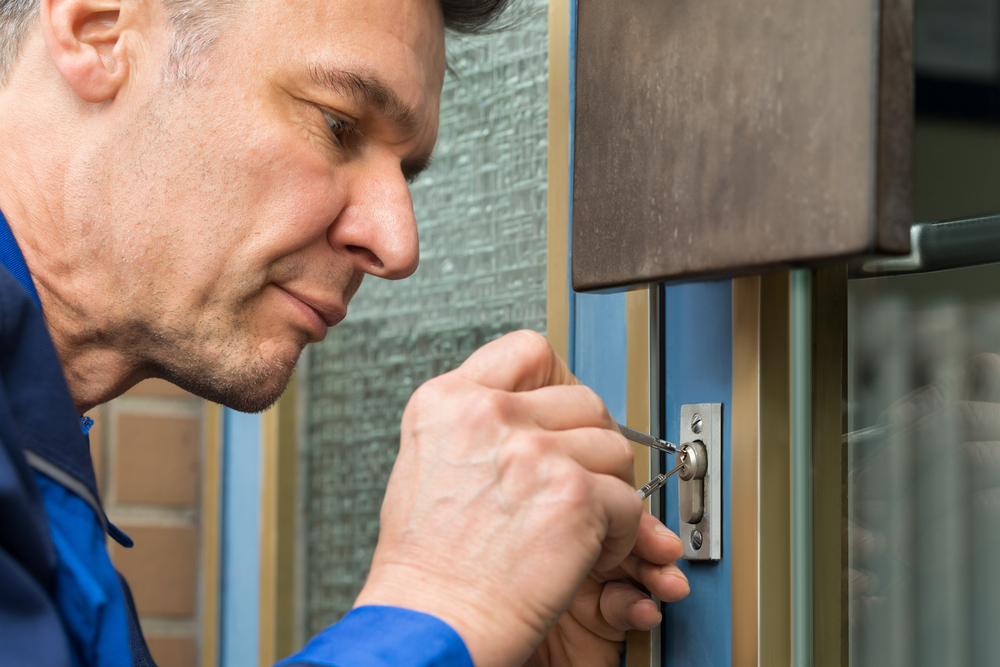
You don’t need a high-tech gadget to pick a lock—just a few simple tools. Here’s what you’ll need:
- Lock Picks: Thin metal tools designed to manipulate the pins. Common types include the hook pick (for single-pin picking) and the rake (for scrubbing multiple pins).
- Tension Wrench: A small L-shaped tool that applies slight pressure to the cylinder, holding pins in place as you set them.
- Practice Lock: A clear or standard lock to hone your skills without risking a real door.
You can get a beginner’s lock-picking kit online for $20 to $50. It usually comes with picks, wrenches, and sometimes a practice lock. Don’t buy inexpensive sets; they bend easily and make you angry. You can use paperclips or bobby pins in a pinch, but they aren’t as reliable.
Pro Tip: Get a good kit from a company like SouthOrd or Peterson so it lasts and works well.
Step-by-Step Guide: How to Pick a Lock
Are you ready to try? To choose a simple pin tumbler lock, follow these steps. Single-pin plucking is a simple and accurate way to do this.
Step 1: Insert the Tension Wrench
Put the tension wrench in the bottom of the keyhole (the plug). Put light, steady pressure on the key in the direction it would spin (typically clockwise for doors). If you use too much force, the pins will get stuck; if you use too little, they won’t stay put. It’s like holding a fragile egg: you need to be strong but not smash it.
Step 2: Insert the Pick
Put the hook pick in the top of the keyhole and feel for the pins. As the pick touches each pin, you’ll feel little clicks. You will work on each of the 5–6 pins in most locks.
Step 3: Feel and Set the Pins
Use the pick to gently push each pin up. You want to raise the key pin until it lines up with the shear line, which will let the driver pin pass. When a pin sets, you could hear a soft click or feel the tension wrench give a little.
Step 4: Repeat Until the Lock Turns
Go through all the pins. The tension wrench should turn a little bit as each pin sets if you’re doing it appropriately. The lock will unlock when all the pins are in the right place and the cylinder turns. Good job! You picked your first lock!
Common Mistakes to Avoid
Lock picking is a skill, and beginners make mistakes. Here’s how to dodge them:
- Too Much Tension: Overdoing it with the tension wrench binds the pins, making them hard to move. Use a light touch.
- Wrong Tools: Cheap picks break or slip. Invest in quality tools for better control.
- Rushing the Process: Lock picking requires patience. Rushing leads to frustration and unset pins.
- Ignoring Feedback: Pay attention to the clicks and resistance. Your fingers are your best guide.
Try picking a lock with a clear lock to see how the pins move. It’s like training wheels for lock picking. You’ll get a “feel” for the process over time.
Alternative Technique: Raking
If choosing with one pin seems slow, try raking. This quicker method employs a rake pick to swiftly scrub across all the pins in the hope of setting them by happenstance. Put the rake in, use the wrench to pull it tight, and slide the pick in and out quickly. It doesn’t work as well on more complicated locks, but it does work. It’s like strumming a guitar, where you hit all the strings (pins) at once.
When to Use Raking: Great for cheap locks or when you’re in a hurry, but it’s less reliable on high-security locks.
Legal and Ethical Considerations
Lock picking is a powerful skill, but it comes with responsibility. Here’s what you need to know:
- Stay Legal: Only pick locks you own or have explicit permission to work on. Unauthorized lock picking can land you in legal trouble, even if it’s “just for fun.”
- Know Local Laws: Some regions restrict lock-picking tools. Check your local regulations before buying or carrying a kit.
- Use It Wisely: Lock picking is for emergencies, hobbies, or improving security—not for mischief. Respect others’ property.
If you’re ever unsure, consult a professional locksmith. They’re trained to handle lockouts legally and safely.
Practicing Your Lock-Picking Skills
Picking locks gets easier the more you do it. Begin with a clear practice lock to see how the pins move. Once you feel comfortable, try locks that are harder and harder. For tips and challenges, join online groups like LockPickingLawyer on YouTube or Reddit’s r/lockpicking. Spend 10 to 15 minutes every day practicing, just like you would if you were studying an instrument.
Fun Fact: Some amateurs compete in lock-picking events, where they can open complicated locks in just a few seconds. You may be that fast with practice!
When to Call a Professional Locksmith
There are occasions when picking a lock isn’t the smartest thing to do. Beginners have a hard time with high-security locks, like those with dimple keys or electronic parts. If you can’t get in and don’t have much time, a locksmith is your best bet. They have the right tools and training to deal with tough situations without hurting your door. Also, they have a license, so you won’t break the law.
Cost Tip: Depending on where you live, locksmiths charge between $50 and $150 to get you inside your residence. If you force it, how much does a broken lock cost?
Enhancing Your Home Security
Learning to pick a lock teaches you how vulnerable standard locks are. Use this knowledge to upgrade your home security:
- Upgrade to High-Security Locks: Brands like Medeco or Schlage Primus are pick-resistant.
- Add a Deadbolt: A quality deadbolt adds an extra layer of protection.
- Consider Smart Locks: Keyless entry reduces the risk of lock picking entirely.
Check your locks often to see if they are worn out. Old locks are simpler to pick. A small amount of money spent on protection now will save you stress later.
FAQs About Lock Picking
Q: Is lock picking hard to learn?
A: It’s a skill that takes practice, but most beginners can pick a simple lock within a few hours of focused effort.
Q: Can I pick any lock?
A: Basic pin tumbler locks are pickable, but high-security or electronic locks require advanced skills or tools.
Q: Are lock-picking kits legal?
A: In most places, owning a kit is legal for personal use, but carrying one in public may raise questions. Check local laws.
Q: What’s the easiest lock to pick?
A: Cheap padlocks or basic door locks are great for beginners. Start there to build confidence.
Conclusion: Unlock Your Potential
Picking a lock isn’t just a fun party trick; it’s a useful ability that makes you feel more confident and knowledgeable about security. You now have the skills to pick a lock or start a new hobby, from learning how pin tumblers work to mastering single-pin picking or raking. Stay lawful, practice slowly, and think about changing the locks on your home to stay one step ahead. Are you ready to jump in? Pick a practice lock and open up a world of possibilities. Write in the comments below to let us know how you’re doing or if you have any questions. Happy selecting!N