








How to Make Concrete: A Complete Guide for DIY Enthusiasts and Professionals
Concrete is one of the most versatile and widely used building materials in the world. Whether you’re planning to lay a new patio, build a foundation, or create custom garden features, understanding how to make concrete properly is an essential skill. While it might seem like a simple task of mixing cement with water, there’s actually a science behind creating strong, durable concrete that will stand the test of time.
In this comprehensive guide, we’ll walk you through everything you need to know about making concrete, from selecting the right materials to achieving the perfect consistency. By the end of this article, you’ll have the knowledge and confidence to tackle your next concrete project with professional results.
Why Choose to Make Your Own Concrete
Many homeowners and DIY enthusiasts wonder whether they should make their own concrete or simply purchase pre-mixed bags or ready-mix concrete from suppliers. Understanding when and why to make concrete yourself can save you significant money and give you greater control over your project.
Making concrete from scratch offers several advantages, particularly for medium-sized projects. When you mix your own concrete, you can adjust the proportions to suit specific needs, whether you require a stronger mix for a foundation or a more workable consistency for detailed finishing work. This flexibility is especially valuable for experienced builders who understand the nuances of different concrete applications.
For smaller projects like setting fence posts, creating stepping stones, or repairing existing concrete structures, learning how to make concrete allows you to prepare exactly the amount you need, reducing waste and costs. You’re not paying for the convenience of pre-mixed products or the delivery fees associated with ready-mix trucks, which often have minimum order requirements that exceed the needs of modest projects.
Additionally, when you make concrete yourself, you develop a deeper understanding of the material’s properties. This knowledge proves invaluable when troubleshooting issues, making repairs, or advancing to more complex construction projects. The hands-on experience of mixing, pouring, and finishing concrete builds practical skills that translate across numerous home improvement and construction scenarios.
Benefits of Learning How to Make Concrete
Mastering the process of concrete production offers numerous advantages that extend beyond simple cost savings. Here are the key benefits:
- Cost-Effectiveness: Making concrete from raw materials costs significantly less than purchasing pre-mixed products, especially for larger projects. A bag of cement, sand, and gravel costs a fraction of what you’d pay for equivalent ready-mix concrete. Over multiple projects, these savings accumulate substantially.
- Complete Control Over Mix Design: When you understand how to make concrete, you can customize the mixture for specific applications. Need a stronger foundation mix? Adjust the cement ratio. Working on a decorative project? Modify the aggregate size and texture. This customization ensures optimal performance for each unique situation.
- Flexibility and Convenience: Making your own concrete eliminates scheduling constraints associated with ready-mix delivery services. You can work at your own pace, mix batches as needed, and avoid the pressure of using large quantities before they set. This flexibility is particularly valuable for weekend warriors and those juggling projects around busy schedules.
- Enhanced Problem-Solving Skills: The process of making concrete teaches you about material ratios, water content, curing times, and troubleshooting consistency issues. These skills make you a more competent builder and enable you to identify and correct problems before they become costly mistakes.
- Reduced Material Waste: By mixing only what you need for each phase of your project, you minimize waste and environmental impact. This precision is especially beneficial for projects with unusual dimensions or those completed in stages.
Where to Buy Materials for Making Concrete
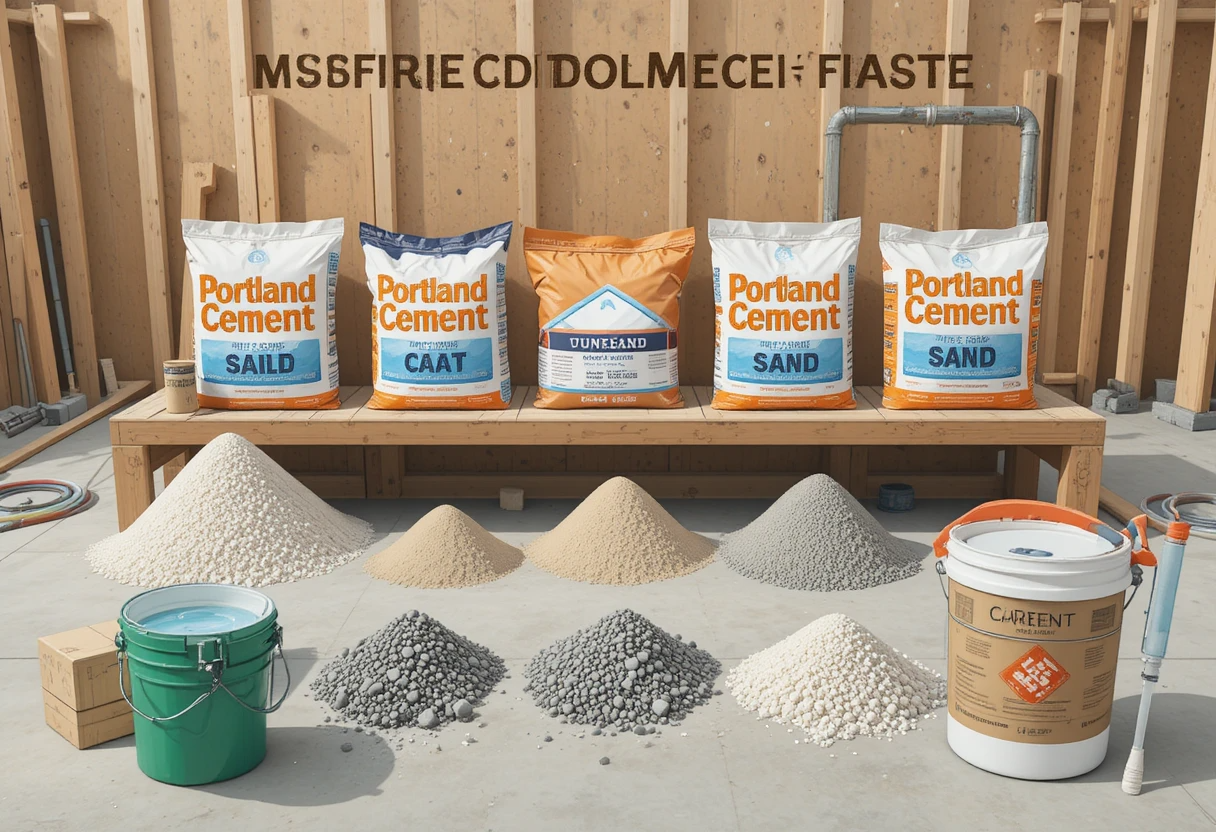
Once you’ve decided to make your own concrete, you’ll need to source quality materials. The basic ingredients are cement, sand (fine aggregate), gravel or crushed stone (coarse aggregate), and water. Here’s where to find each component:
Home Improvement Centers and Building Supply Stores are your most convenient option for purchasing cement and aggregates. Major retailers like Home Depot, Lowe’s, and local hardware stores stock Portland cement in various bag sizes, typically ranging from 40 to 94 pounds. These stores also carry sand and gravel in bags, which work well for smaller projects.
Landscape Supply Companies and Quarries offer the best value for bulk materials. If your project requires more than a few bags of sand or gravel, purchasing in bulk becomes economically sensible. These suppliers sell materials by the cubic yard or ton, delivering directly to your site. The quality is often superior to bagged products, and you’ll appreciate the convenience of having materials dumped exactly where you need them.
Masonry Supply Specialists cater specifically to concrete and masonry professionals. These businesses stock a wider variety of cement types, including specialized products for different applications. They can also provide expert advice on mix designs and material selection. While their prices might be slightly higher than big-box retailers, the specialized knowledge and product selection often justify the premium.
Online Retailers have become increasingly popular for sourcing concrete-making materials, particularly for specialty cements, additives, and coloring agents. While you probably won’t order basic sand and gravel online due to shipping costs, specialized products like fiber reinforcement, plasticizers, and decorative aggregates are readily available through e-commerce platforms.
When purchasing materials, always verify that you’re buying Portland cement (the standard type for general construction) unless your specific application requires a specialized variety. Ask about the aggregate size appropriate for your project—generally, 3/4-inch gravel works well for most applications.
Tips to Select the Right Materials and Mix for Your Concrete Project
Success in making concrete depends heavily on selecting appropriate materials and proportions. Here are essential tips to ensure your concrete performs as intended:
- Understand the Basic Ratio: The standard concrete mix ratio is 1 part cement, 2 parts sand, 3 parts gravel, and about 0.5 parts water by volume. This “1-2-3” formula produces strong, general-purpose concrete suitable for most residential projects. However, foundations may require a stronger mix (more cement), while walkways can use a standard mix.
- Choose Clean, Quality Aggregates: Sand and gravel must be free from clay, silt, organic matter, and excessive dust, as these contaminants weaken concrete and prevent proper cement bonding. When you pick up a handful of sand and squeeze it, it should fall apart easily when you open your hand—if it clumps together, it likely contains too much clay or moisture.
- Control Water Content Carefully: Adding too much water is the most common mistake when learning how to make concrete. While extra water makes mixing easier, it significantly reduces concrete strength. The mixture should be workable but not soupy—think of the consistency of thick oatmeal. You can always add water gradually, but you cannot remove it once added.
- Consider Your Climate and Curing Conditions: Temperature affects how concrete sets and cures. In hot weather, you may need to add slightly more water or use additives to slow the setting time. Cold weather requires special measures, possibly including heated water and insulating covers during curing. Plan your project timing around favorable weather conditions.
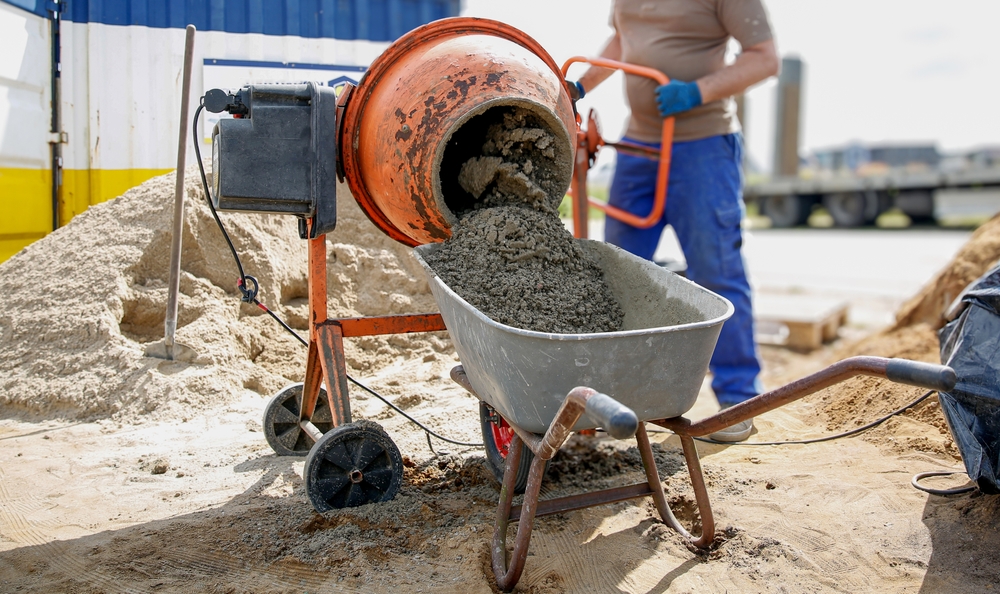
- Use Proper Mixing Techniques: Whether using a wheelbarrow and shovel or a cement mixer, add dry ingredients first and mix them thoroughly before adding water. Add water gradually while continuously mixing until you achieve uniform consistency throughout the batch. Incomplete mixing creates weak spots in your finished concrete.
The Step-by-Step Process: How to Make Concrete
Now that you understand the materials and principles, let’s walk through the actual process. Start by gathering your materials: Portland cement, sand, gravel, water, and the appropriate mixing tools. For small projects, a wheelbarrow and shovel suffice, but for larger volumes, rent or purchase a portable cement mixer.
Begin by measuring your dry ingredients according to your chosen ratio. For a standard batch in a wheelbarrow, use one shovel of cement, two shovels of sand, and three shovels of gravel. Mix these dry ingredients thoroughly with your shovel, ensuring even distribution of cement throughout the aggregates. This dry mixing is crucial—cement must coat all aggregate particles to create strong bonds.
Create a hollow or crater in the center of your dry mixture and add water slowly. Start with about half the estimated water needed, mixing as you pour. Fold the mixture from the edges into the center, incorporating dry material gradually. Continue adding small amounts of water while mixing until you achieve the proper consistency. The concrete should hold its shape when you make a ridge with your shovel, yet be smooth enough to settle and level when poured.
Once mixed, use your concrete immediately. You generally have 60-90 minutes of working time before it begins to set, though this varies with temperature. Pour the concrete into your prepared forms, using a shovel or trowel to eliminate air pockets. Tap the sides of forms with a hammer to help the concrete settle. Finally, smooth the surface with a trowel and allow proper curing time—typically keeping the concrete moist for at least seven days for optimal strength development.
Conclusion
Learning how to make concrete empowers you to tackle a wide range of construction and improvement projects with confidence and cost-efficiency. From understanding the basic ingredients and their proportions to selecting quality materials and executing proper mixing techniques, the knowledge you’ve gained from this guide provides a solid foundation for successful concrete work.
Remember that practice improves your skills over time. Start with smaller projects to develop your technique before advancing to more ambitious undertakings. Pay attention to the consistency of your mix, maintain proper water ratios, and never rush the curing process. Quality concrete work requires patience and attention to detail, but the durable, long-lasting results make the effort worthwhile.
Whether you’re building a garden path, setting posts, or creating a small foundation, the ability to make concrete opens up endless possibilities for enhancing your property. With the right materials, proper technique, and a commitment to quality, you’ll produce professional-grade concrete that serves you well for decades to come.
Visit for more information: https://ecofiy.com